This post is a step-by-step guide on how to remove computers from the collection after OSD.
If you’re using specific collections for your OSD deployments you certainly know that the collections are not emptied automatically. After a couple of weeks, you’ll end up with a collection full of systems. The bad news is that there’s nothing built-in in the product, the good news is that our friend PowerShell can do this dirty job. To run the script :
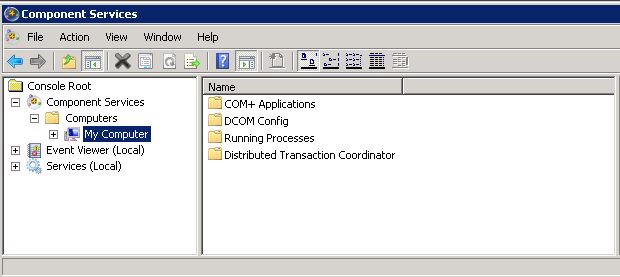
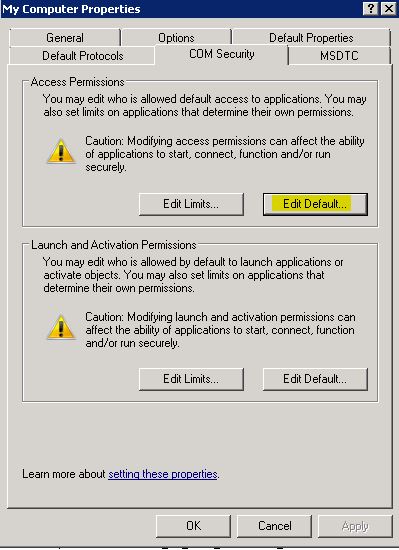
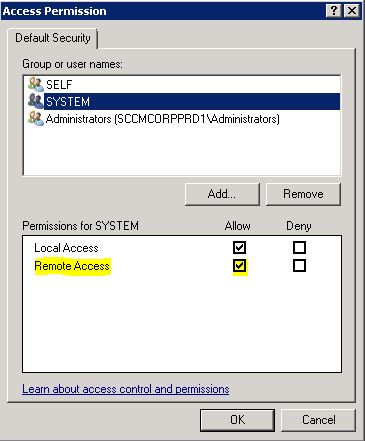
Save the following script locally on your server. (Thanks to http://sccmfaq.wordpress.com/ for the script)
#Call example:
#C:\Windows\SysWOW64\WindowsPowerShell\v1.0\powershell.exe -ExecutionPolicy ByPass RemoveFromCollection_1.0.ps1 %msgsc %msgsys
#%msgsc = Site-Code
#%msgsys = ComputerName

#Set required Input Parameters
Param(
[string]$SiteCode,
[string]$ComputerName
)

#--------------------
#User defined variables here

$CollectionIDs = "S0100025;S010002C;S010001E"
$bEventlogEntry = "1"
$bClearPXE = "0"

#End user defined variables
#--------------------

If($SiteCode -and $ComputerName){}
else{
Write-Host "Required Input is missing! Omit SiteCode and Computername."
exit
}

#$SiteCode = "S01"
#$ComputerName = "rudolph"

#Check for 32-bit execution
If ($env:Processor_Architecture -ne "x86") {
write-host "Script has to be executed in x86 mode!"
exit
}

#Import SCCM Module
$ModuleName = (get-item $env:SMS_ADMIN_UI_PATH).parent.FullName + "ConfigurationManager.psd1"
Import-Module $ModuleName
CD $SiteCode":"

#Remove Client from collections
#Get collection id array
$aCollections = ($CollectionIDs).Split(";")

#check for each collection if a directmember chip exist, and remove it
foreach($Collection in $aCollections){
If((Get-CMDeviceCollectionDirectMembershipRule -CollectionId $Collection -ResourceName $ComputerName).count -eq 1) {

#Write Eventlog entry
If($bEventlogEntry -eq 1){
write-eventlog -logname Application -source "SMS Client" -eventID 3001 -entrytype Information -message "Computer $ComputerName will be removed from Collection $Collection" -category 1 -rawdata 10,20
}

#Remove Client from collection
Remove-CMDeviceCollectionDirectMembershipRule -CollectionId $Collection -ResourceName $ComputerName -Force

#Clear PXE Flag
If($bClearPXE -eq 1){
Clear-CMPxeDeployment -DeviceName $ComputerName
}
}
}
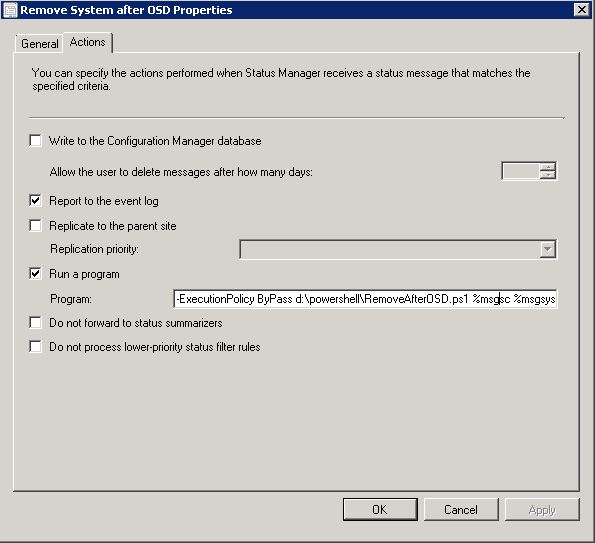
Now, Create the Status Filter Rule:
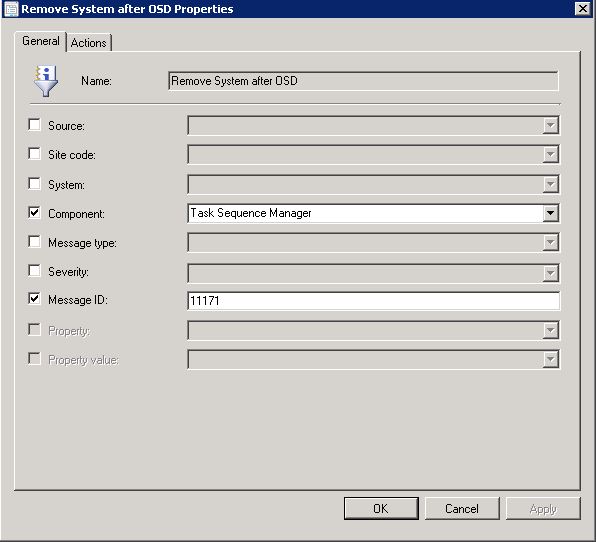
In the action tab :
** See update at the end of the post if running Windows 2012 R2 and SCCM 2012 R2 ** It’s now time to launch a task sequence and test the rule.
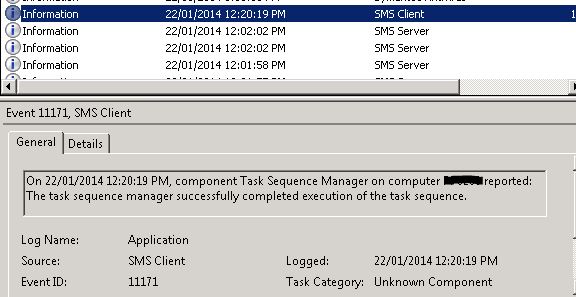
If done right you will see an event log when the SCCM OSD deployment is completed.

Extra hint #2 :
If the script doesn’t run, you can troubleshoot by launching powershell with SYSTEM rights from the console. To do so you must use psexec : psexec -i -s D:\SCCM\AdminConsole\bin\Microsoft.ConfigurationManagement.exe
Once the console opens, launch Powershell. This shell will have the SYSTEM rights. Try launching your script from there and monitor if your computer gets removed from the collection.
Update SCCM R2 (2014/03/21): If you are running Windows 2012 R2 and SCCM R2, a slight modifications must be made to the script in order to work. The script must run in x64. SCCM PowerShell cmdlet now supports it : http://technet.microsoft.com/library/dn236347.aspx
C:Windows\System32\WindowsPowerShellv1.0\powershell.exe -ExecutionPolicy ByPass -file YourScriptPathRemoveFromCollection_1.0.ps1 %msgsc %msgsys

Please fill out the form, and one of our representatives will contact you in Less Than 24 Hours. We are open from Monday to Friday.

Thank you for subscribing to our newsletter or requesting a quote. You will receive our next month's newsletter. If you have requested a quote, we will get in touch with you as soon as possible.

Something went wrong!


Thank for your reply!